Bring Your Creations to Life with Tyndust Script Font
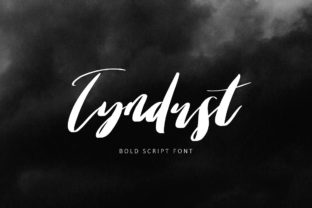
I was designing a set of candle labels the other day, and I knew right away that Tyndust was the perfect fit. It’s a hand-painted script font that feels like it was created with care and intention. The soft curves and gentle strokes give it a warm, personal touch that makes every label feel like a handwritten note from a friend. With three distinct styles included in one download, I found myself experimenting with different variations for each candle scent—lavender, vanilla, and eucalyptus—each with its own unique charm.
Tyndust isn’t just a font; it's a creative tool that adds character to any project. Its visual personality is both elegant and approachable, making it ideal for handmade products, greeting cards, and even digital printables. I love how it carries a sense of authenticity, as if the words were written by hand rather than typed out on a keyboard. This makes it especially appealing for boutique packaging, wedding invitations, and seasonal craft items where a personal touch can make all the difference.
Creating with Tyndust: Real Examples in Action
I recently used Tyndust to design a set of birthday invitations for a client. The font’s handwritten style gave the invitations a whimsical, personalized feel that perfectly matched the theme of the event. I paired it with a clean sans serif font for the details like names and dates, which helped keep everything readable while still maintaining that artistic flair. It worked well on both digital mockups and printed cards, and the final product received lots of positive feedback from the guests.
Another time, I used Tyndust for farmhouse-style signs I was creating for a local shop. The font’s soft, flowing lines complemented the rustic aesthetic beautifully. I made sure to test the font on small stickers first to check how it would look when cut with my Cricut machine. It handled the cuts smoothly, and the results looked great on wooden signs and fabric tags.
Tyndust also came in handy when I was working on printable wall art. I chose one of the bolder styles for the main title and used a simpler script for the subtitle. The contrast made the design more dynamic, and it added a nice visual hierarchy without overwhelming the reader. I’ve since used this same technique for planner pages and digital templates, and it has become a go-to choice for adding personality to text-based designs.
Designing with Purpose: How Tyndust Elevates Your Work
The way Tyndust presents itself on physical and digital media can significantly impact the perceived quality of your product. When you use a font that feels intentional and well-crafted, it communicates a level of care and attention to detail that customers notice. Whether it’s on a mug, shirt, tote bag, or packaging, Tyndust brings a sense of warmth and individuality that helps your brand stand out.
For handmade sellers, using a consistent font like Tyndust across all branding materials can help build customer recognition. It creates a cohesive identity that ties together your shop’s aesthetic, from social media posts to product listings. I’ve noticed that customers often comment on the typography when they see my work, and it’s always a good conversation starter.
When it comes to readability, Tyndust works best for short phrases, names, titles, and decorative wording. While it’s not suitable for long paragraphs of text, it shines as a display font. I recommend using it sparingly on larger formats like signs, banners, and packaging, and pairing it with a more legible font for smaller text elements.
Choosing the Right Style and Pairings
Tyndust comes with three distinct styles, each offering a slightly different mood and texture. I find that the lighter, more delicate version works well for subtle accents, while the bolder styles are better suited for headings and focal points. It’s important to explore each style to see which one fits your project best.
Font pairing is another key consideration. For a balanced look, I often pair Tyndust with a clean sans serif font like Helvetica or a simple serif font like Georgia. This combination keeps the design modern yet approachable. If I’m going for a more decorative look, I might pair it with another script font, but I always ensure there’s enough contrast so the text remains readable.
Before using Tyndust for commercial purposes, I always check the included styles, alternates, ligatures, swashes, weights, file formats, multilingual support, and commercial font licensing. These details are essential when creating products for sale, whether it’s physical merchandise, printables, or digital downloads.
Overall, Tyndust has become an invaluable part of my creative process. Its versatility, charm, and ease of use make it a favorite among makers, sellers, and designers looking to add a personal touch to their work. Whether I'm crafting labels, designing invitations, or creating digital assets, Tyndust brings a unique energy to every project that feels both authentic and inspiring.